
First date clothing affects far more than appearance alone. Outfit choices influence posture, emotional comfort, confidence, conversational focus, and overall interaction quality. During early dating, people naturally evaluate not only visual presentation but also behavioral consistency. Clothing that feels emotionally unnatural often creates tension that becomes visible through body language and communication patterns.
Modern dating culture also changed expectations around appearance. Highly performative styling no longer guarantees a stronger impression, as emotional authenticity has become increasingly important in both online and offline interactions. Many people now respond more positively to natural presentation, emotional ease, and realistic self-expression than to heavily constructed looks designed purely to impress.
Comfort remains one of the most underestimated elements of first date preparation. Physical discomfort continuously competes for attention during conversation. Restrictive clothing, unstable shoes, or unfamiliar styling may gradually increase self-awareness and emotional distraction. In contrast, outfits that feel comfortable and familiar often support smoother communication because attention remains focused on interaction rather than appearance management.
At the same time, first date clothing should still reflect the social setting. Different environments create different emotional expectations, activity levels, and practical needs. Clothing that works naturally for a casual coffee meeting may feel inappropriate during an evening dinner or outdoor activity. Context, therefore, plays a major role in creating a balanced presentation.
The strongest first impressions usually develop when appearance, behavior, and personality remain aligned. Clothing works most effectively when it supports emotional confidence rather than replacing it.
What to Wear on the First Date without Overthinking
Choosing situations often becomes unnecessarily stressful because appearance is frequently treated as the main factor behind attraction. In reality, clothing influences interaction most strongly when it supports emotional comfort instead of creating additional pressure. Outfits that feel overly formal, unfamiliar, or heavily styled may increase self-consciousness and reduce conversational ease during the meeting.
People naturally behave differently when clothing feels emotionally disconnected from their everyday identity even when talking on European dating sites. Constant outfit adjustment, concern about appearance, or fear of looking inappropriate gradually shifts attention away from communication itself. This internal distraction often becomes visible through posture, facial tension, or conversational rhythm even when the outfit appears visually attractive.
First date fashion usually creates more stable first impressions because emotional behavior remains more natural. Clean and balanced clothing often communicates attentiveness more effectively than complicated fashion choices designed mainly for visual impact. Simplicity also reduces pressure connected to unrealistic expectations. Modern online dating environments increasingly reward authenticity because people search for consistency between appearance, personality, and communication style. Many platforms connected with a verified dating service place stronger emphasis on genuine interaction than on highly performative presentation. Another important factor involves emotional predictability. Clothing that reflects normal personal style helps preserve a sense of control during socially uncertain situations. This allows communication to develop more naturally because appearance no longer competes for attention. For that reason, successful first date styling usually focuses on emotional comfort, cleanliness, and self-recognition rather than trend imitation or exaggerated attempts to impress immediately.
Comfortable First Date Outfit and Emotional Ease
A comfortable first date outfit influences emotional stability more strongly than many people initially expect. Physical discomfort continuously competes for attention during social interaction, which can gradually affect communication quality, confidence, and emotional openness throughout the date. Clothing therefore, functions not only as visual presentation but also as an important psychological factor during first impressions.
Several elements explain why comfort plays such a significant role during early dating:
- Physical comfort reduces emotional distraction. Tight fabrics, restrictive cuts, unstable footwear, or clothing that requires constant adjustment may gradually increase stress during conversation. As attention repeatedly returns to physical irritation, communication often becomes less spontaneous and emotionally relaxed.
- Comfortable clothing supports natural body language. When outfits feel physically familiar, movement usually appears calmer and more authentic. Gestures, posture, facial expressions, and eye contact tend to develop more naturally because emotional energy remains focused on interaction instead of self-monitoring.
- Familiar outfits lower anticipatory anxiety. First dates already involve uncertainty connected to attraction, compatibility, and social evaluation. Complicated styling decisions may intensify emotional pressure by creating fear of looking inappropriate or mismatched to the setting. Practical and familiar clothing choices often help preserve emotional balance before the meeting even begins.
- Flexible outfits improve emotional adaptability. Comfortable clothing adapts more easily to longer conversations, walking, changing weather conditions, or spontaneous activities during the date. Physical ease therefore supports smoother emotional adjustment throughout interaction.
People generally communicate more openly when they feel physically secure inside their clothing. For that reason, comfort should not be treated as secondary to appearance. In many dating situations, emotional ease creates a stronger impression than visually complicated styling alone.
Also worth reading: What Makes a Man Choose One Woman for a Relationship
Dating Outfit Tips that Support Natural Confidence
Many effective dating outfit tips focus less on attracting immediate attention and more on creating emotional stability during interaction. First date confidence rarely develops from wearing the most fashionable or visually dramatic outfit. In most situations, confidence becomes stronger when clothing supports natural behavior, physical comfort, and emotional consistency. Because of this, balanced and practical styling often creates a more positive impression than highly performative presentation designed mainly to impress visually.
Why emotional comfort affects confidence
Clothing directly influences emotional state through physical sensation and self-perception. Tight fabrics, uncomfortable shoes, unstable layering, or outfits that require constant adjustment gradually increase self-awareness during conversation. As attention repeatedly returns to appearance management, communication often becomes less natural and emotionally relaxed. Comfortable clothing helps reduce this internal distraction. When outfits feel physically familiar, body language usually becomes calmer and more spontaneous. Eye contact, posture, gestures, and conversational rhythm tend to appear more authentic because emotional energy remains focused on interaction rather than self-monitoring.
The role of visual consistency
One of the most important dating outfit tips involves maintaining consistency between appearance and personality. Clothing that reflects everyday style generally creates stronger emotional stability because the presentation feels psychologically familiar. In contrast, outfits selected entirely around external expectations may create subtle tension if the individual no longer feels authentic within that image. People naturally notice behavioral consistency during first impressions. When appearance aligns with communication style and personality, interaction often feels more genuine and emotionally balanced. Overly constructed styling may initially attract attention, but it can also increase emotional pressure throughout the date itself.
Why simplicity often works better
Simple and organized outfits are frequently perceived as more attractive than combinations overloaded with competing details. Visual clarity helps maintain focus on the person instead of shifting attention entirely toward clothing. Balanced styling often communicates emotional maturity, self-awareness, and social confidence more effectively than dramatic fashion choices. Practicality also plays a major role. Clothing that supports movement and adapts comfortably to different settings usually improves emotional flexibility during interaction. This becomes especially important during longer conversations, walking dates, or situations where plans change naturally throughout the meeting. Natural confidence is usually easier to recognize when clothing supports personality instead of dominating the interaction. For that reason, the most effective first date outfits often combine comfort, authenticity, and simplicity rather than exaggerated attempts to create visual impact alone.
First Date Clothing Advice for Different Settings
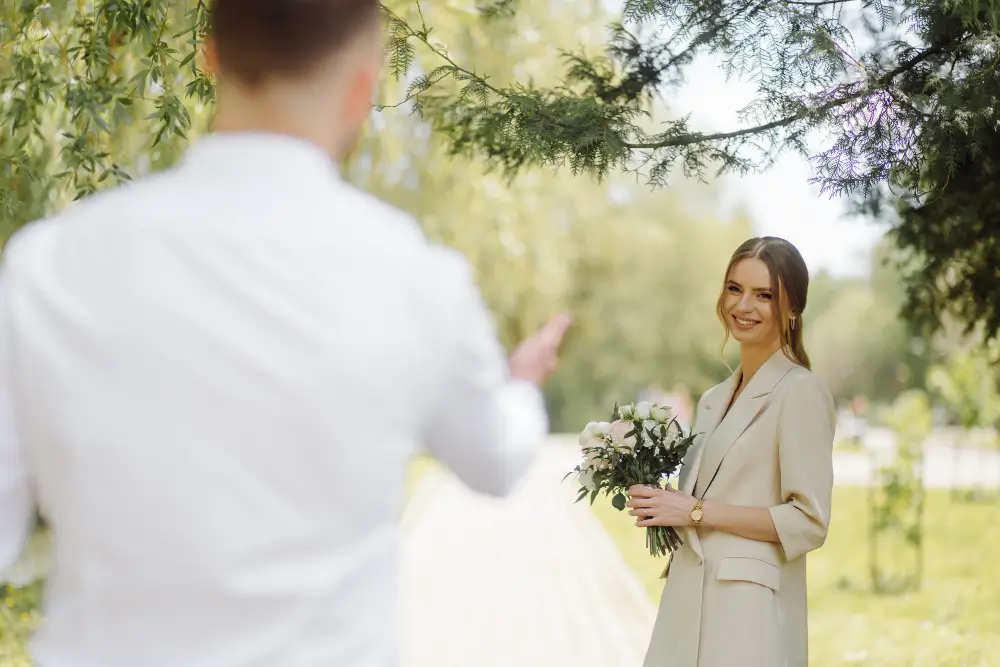
Effective first date clothing advice depends heavily on the environment where the interaction takes place. Different settings create different emotional expectations, activity levels, and social dynamics, which means clothing should support both comfort and contextual appropriateness. Outfits that feel natural during a casual daytime meeting may appear overly formal or emotionally disconnected in more relaxed environments, while clothing that is too informal can feel mismatched during structured evening dates.
Several factors usually influence how clothing is perceived during different types of first dates:
- Casual daytime meetings often benefit from relaxed and practical styling. Coffee dates, walks, or informal social spaces typically encourage easier communication and lower emotional pressure. Clothing that supports natural movement usually helps interaction feel more comfortable and emotionally open.
- Evening dinners or formal social settings generally allow slightly more elevated styling while still requiring physical ease. Emotional comfort remains important because restrictive clothing or uncomfortable shoes may gradually weaken conversational focus during longer interactions.
- Activity-based dates require greater practical awareness. Outdoor meetings, cultural events, or extended social activities demand outfits that remain comfortable over time instead of focusing entirely on visual presentation. Physical adaptability often becomes more important than dramatic styling choices in these situations.
- Cultural expectations may also influence appearance standards during dating. In some international communities connected with a Russian-speaking women dating club, clothing is sometimes interpreted as part of attentiveness and seriousness toward the meeting itself. However, emotional authenticity usually creates stronger impressions than excessive formality or highly performative presentation.
The most effective first date outfits typically balance context, comfort, practicality, and personal style without shifting attention away from communication and emotional connection.
Dressing for Confidence Rather than Approval
Clothing selected only to satisfy imagined expectations often increases emotional pressure because attention becomes centered on evaluation instead of interaction. In contrast, outfits chosen for internal comfort usually strengthen conversational stability and emotional presence during the date. Social pressure frequently encourages people to build carefully calculated first impressions. However, excessive focus on approval may increase self-monitoring throughout communication. Constant concern about attractiveness or appearance can reduce spontaneity and make interaction feel emotionally controlled. Confidence functions differently from visual performance. It is usually communicated nonverbally through posture, eye contact, conversational rhythm, and emotional steadiness. Clothing supports this process when it reinforces familiarity and self-recognition instead of creating emotional distance from personal identity.
Another important factor involves cognitive distraction. When people feel uncertain about their outfit, attention repeatedly returns to appearance management. This weakens conversational focus because mental energy becomes divided between communication and self-evaluation. Comfortable and authentic clothing choices reduce that internal conflict.External approval is also highly subjective because dating preferences vary across personalities, cultures, and relationship expectations. Attempting to satisfy imagined universal standards often creates artificial presentation that feels emotionally inconsistent.
For that reason, confidence-oriented styling usually creates stronger first impressions than clothing selected purely to gain validation or imitate trends.
Dating Style Explained Through First Impressions
The concept through first impressions becomes clearer when clothing is viewed as part of overall communication rather than isolated appearance. During early interaction, people naturally interpret visual presentation together with tone of voice, posture, emotional openness, and conversational behavior. Clothing therefore, influences not only attractiveness but also perceived compatibility and emotional atmosphere. First impressions form quickly because the brain continuously organizes social information into recognizable patterns. Outfit choices contribute to these patterns by signaling formality level, emotional confidence, lifestyle preferences, and social awareness. Even subtle styling details can influence assumptions about personality before deeper communication begins.
Consistency between appearance and behavior plays a major role in how those impressions develop. When clothing aligns naturally with communication style, interaction often feels more authentic and emotionally stable. In contrast, heavily performative presentation may create subtle mismatch if behavior no longer supports the projected image.
Another important factor involves emotional accessibility. Clothing that appears approachable and contextually appropriate often reduces social tension during first meetings. This allows conversation to develop more naturally because visual presentation supports rather than complicates interaction. People also tend to remember emotional atmosphere more strongly than specific outfit details. As a result, authenticity, conversational ease, and emotional comfort usually shape lasting impressions more effectively than highly strategic styling alone. For that reason, clothing should be understood as a supportive element within communication rather than the central goal of first date presentation.
What Should Men Wear on a First Date?
Men’s first date outfits usually work best when they combine comfort, cleanliness, and situational awareness. Clothing should match the setting while still reflecting personal style naturally. Casual dates often require relaxed and practical styling, such as fitted jeans, clean sneakers, or simple layered outfits. More formal evening settings may allow slightly elevated styling, including button-down shirts or structured jackets, while still maintaining comfort.
Fit plays an especially important role. Well-fitted clothing generally creates a stronger impression than overly trendy or complicated outfits. Grooming, clean shoes, and balanced styling often influence first impressions more than expensive fashion choices.
The goal of first date clothing is not visual perfection but emotional confidence. Men usually appear more relaxed and authentic when outfits feel natural instead of overly constructed for approval.
What Should Women Wear on a First Date?
Women’s first date outfits are usually most effective when they balance comfort, confidence, and personal style. Clothing should feel emotionally natural while also matching the setting and activity planned for the date. Casual daytime meetings often work well with relaxed dresses, jeans, soft knitwear, or coordinated minimalist styling. Evening dates may allow slightly more polished outfits while still prioritizing physical comfort.
Comfort matters because restrictive fabrics, unstable shoes, or overly complicated styling can increase self-consciousness during conversation. Clothing that supports relaxed movement often helps communication feel more natural and emotionally open.
Simple and balanced outfits are frequently perceived more positively than highly dramatic styling. Personal authenticity also plays an important role because clothing that reflects genuine personality usually supports stronger emotional confidence and more comfortable interaction throughout the date.