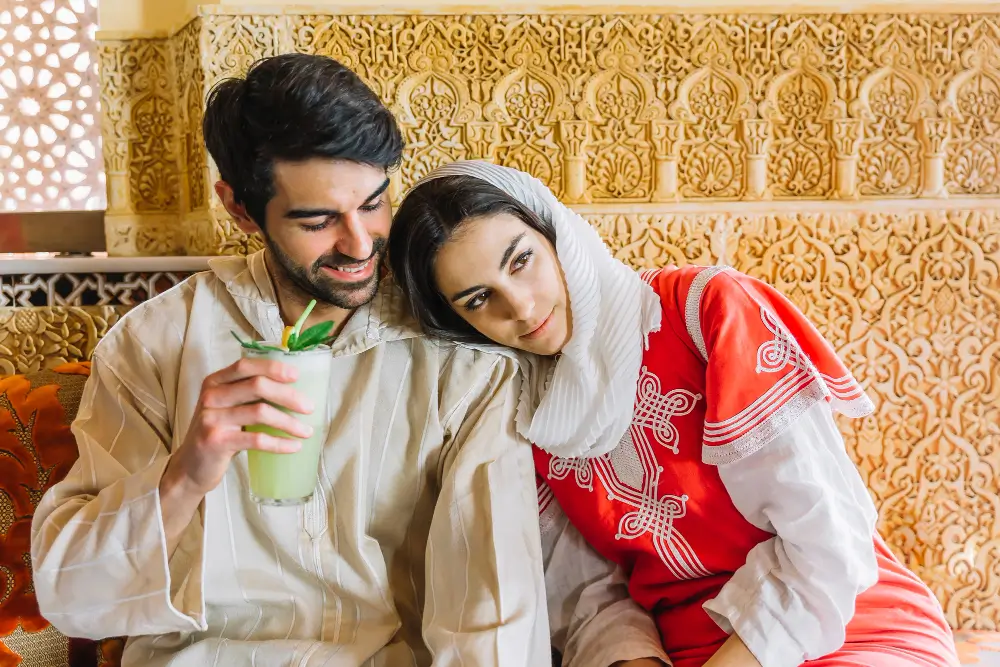
Arab dating culture is shaped by a combination of family values, social expectations, religion, and long-standing cultural traditions. Unlike highly casual dating environments, relationships in many Arab communities are often approached with greater emotional seriousness and stronger awareness of long-term compatibility. Romantic interaction is usually connected not only to personal attraction but also to social reputation, mutual respect, and future relationship potential.
At the same time, Arab dating culture is highly diverse and cannot be reduced to one universal model. Relationship dynamics may differ significantly depending on country, generation, education, religious background, and level of urbanization. Dating culture in modern cities often appears more flexible and socially open, while conservative communities may preserve more traditional expectations regarding communication and relationship boundaries.
Modern technology has also influenced relationship development across Arab societies. Social media, international communication, and dating platforms have created new opportunities for interaction, especially among younger generations. However, many traditional values still remain important even within modern dating environments. Respect, emotional responsibility, and family awareness continue shaping romantic behavior in many situations.
Arab Dating Culture and Social Context
Understanding arab dating culture requires recognizing the strong influence of social structure and family-centered values. In many Arab societies, romantic relationships are not viewed entirely as private experiences between two individuals. Family reputation, cultural expectations, and long-term intentions frequently influence how relationships develop from the very beginning.
Emotional seriousness often appears earlier than in many Western dating environments because relationships are commonly associated with long-term commitment rather than temporary emotional experimentation. As a result, communication may initially feel more reserved, emotionally careful, or structured.
Several social elements commonly influence relationship dynamics:
- respect for family values
- emotional moderation in public interaction
- focus on compatibility and stability
- importance of personal reputation
- emphasis on respectful communication
This does not mean emotional connection is less meaningful. In many cases, relationships develop through gradual trust-building, emotional attentiveness, and increasing psychological closeness rather than highly expressive romantic behavior from the beginning. Users on an authentic singles club may also notice that emotionally balanced communication is often valued more strongly than aggressive flirting or emotionally performative interaction.
Arab Dating Traditions and Cultural Roots
Arab dating traditions remain closely connected to cultural continuity, family structure, and social responsibility. Even in highly modernized environments, traditional expectations often continue influencing romantic interaction and relationship progression. Family involvement may play an important role because relationships are frequently viewed within the broader context of marriage, long-term partnership, and social stability. Respect toward family traditions and cultural norms is often interpreted as a sign of maturity and emotional responsibility.
Traditional relationship dynamics may place stronger emphasis on patience, respectful communication, and gradual emotional development. In some communities, direct public affection or highly casual dating behavior may be viewed less positively than emotionally measured interaction. At the same time, modern Arab dating culture continues evolving. Younger generations increasingly combine contemporary dating habits with traditional relationship values. As a result, many relationships today reflect a balance between modern emotional openness and cultural respect for long-standing traditions.
Arab Relationship Expectations and Boundaries
Arab relationship expectations often involve greater emotional clarity and stronger behavioral boundaries during the early stages of communication. Many individuals approach dating with serious intentions, which influences conversational tone, emotional pacing, and relationship behavior.
Respect usually becomes one of the central relationship expectations. Communication is often expected to remain emotionally considerate, balanced, and attentive. Excessively casual behavior, emotional inconsistency, or aggressive flirting may be interpreted negatively because emotional stability and sincerity are frequently valued more highly.
Boundaries may also appear more structured than in highly informal dating cultures. Cultural norms, religious values, and family expectations can influence communication style, public interaction, and relationship progression. These boundaries are often connected to emotional respect rather than strict emotional limitation.
Trust generally develops gradually through repeated demonstrations of attentiveness, emotional consistency, and reliability. Emotional openness often increases only after individuals begin feeling psychologically safe within the interaction.
Dating in Arab Countries and Social Norms
Dating in arab countries varies significantly depending on local culture, regional traditions, and social environment. Large metropolitan areas often demonstrate more flexible relationship dynamics, while conservative regions may maintain stricter expectations around public behavior and romantic interaction.
Urban environments frequently allow more independence in communication and dating choices, especially among younger generations. However, social expectations surrounding respect, reputation, and emotional responsibility often remain influential even within more modern settings.
Social norms may affect:
- acceptable public behavior
- communication pacing
- family involvement
- relationship visibility
- expectations regarding commitment
International dating has also become increasingly common through online platforms and global communication. Some individuals exploring cross-cultural relationships through a European women dating service may notice differences in emotional pacing, communication style, and relationship expectations when interacting with Arab partners.
Understanding these cultural differences usually helps create more respectful and emotionally balanced communication.

Arab Cultural Dating and Communication Style
Arab cultural dating often involves communication that appears emotionally measured and socially attentive. Indirect signals, emotional restraint, and respectful conversational tone may carry significant meaning during romantic interaction. In many situations, emotional interest is expressed less through dramatic verbal declarations and more through consistency, attentiveness, reliability, and respectful behavior. Communication style may therefore appear more subtle compared to highly expressive dating cultures.
Patience frequently plays an important role because emotional trust tends to develop progressively rather than instantly. Emotional openness often increases gradually as communication becomes more stable and psychologically comfortable. Respectful interaction usually strengthens emotional connection because it creates emotional safety and mutual understanding. Individuals often pay close attention to conversational boundaries, emotional tone, and behavioral consistency during relationship development.
Further reading: How to Ask Someone Out Over Text Naturally
Arab Love Traditions and Emotional Expression
Arab love traditions often place greater emphasis on emotional responsibility, loyalty, and consistent behavior than on highly expressive romantic communication. In many relationships, affection is demonstrated more through actions and long-term commitment than through constant verbal reassurance. Emotional attachment itself is usually considered deeply meaningful, even if feelings are expressed in a more reserved or socially balanced way.
Emotional connection commonly develops through gradual trust-building and reliable behavior. Many individuals interpret attentiveness, emotional support, and practical care as stronger indicators of affection than dramatic romantic gestures alone. This approach often creates emotionally stable relationship dynamics because feelings become connected to trust and emotional reliability over time.
Several behaviors are commonly associated with emotional expression in Arab relationships:
- Consistent emotional support. Care is often demonstrated through attentiveness, emotional presence, and willingness to provide support during both positive and difficult situations.
- Loyalty and commitment. Long-term emotional investment and reliability are frequently viewed as important expressions of serious romantic intention.
- Respectful public behavior. In many situations, emotional restraint in public interaction reflects cultural respect rather than emotional distance.
- Family awareness and responsibility. Family acceptance and social responsibility may influence how affection and commitment are expressed within the relationship.
These traditions often create relationships where emotional connection grows gradually through trust, stability, and emotional security rather than through constant emotional intensity alone.
Arab Dating Explained in Modern Perspective
Arab dating explained within a modern perspective reflects the balance between cultural tradition and contemporary social change. While many traditional values remain important, relationship dynamics continue adapting to globalization, digital communication, and changing social expectations. Younger generations increasingly navigate relationships through a combination of personal independence and cultural awareness. Modern dating platforms, international communication, and urban social environments have expanded opportunities for romantic interaction while still preserving many traditional relationship values.
Respect, emotional responsibility, and long-term thinking often continue shaping relationship expectations even on top dating sites in Europe. Emotional connection usually develops through gradual trust-building, emotional attentiveness, and mutual understanding rather than highly casual interaction alone. Ultimately, Arab dating culture reflects a relationship model where emotional seriousness, respect, and cultural awareness remain closely connected to romantic development. Understanding these dynamics helps create more thoughtful, respectful, and emotionally balanced cross-cultural communication.
FAQ
What is Arab dating culture like?
Arab dating culture is often shaped by family values, social expectations, religion, and long-term relationship thinking. In many Arab communities, dating is approached more seriously than in highly casual dating cultures. Respect, emotional responsibility, and reputation frequently play an important role in relationship development. At the same time, dating styles vary significantly depending on country, generation, education, and level of modern influence. Large cities may have more flexible dating dynamics, while conservative environments often maintain stricter social expectations. Emotional connection usually develops gradually through trust, respectful communication, and consistency rather than highly casual interaction alone.
Can Arabs date non-Arabs?
Yes, many Arabs date and marry non-Arabs, especially in modern urban environments and international communities. However, cultural expectations, religion, family traditions, and long-term relationship goals may influence how these relationships develop. Some families may strongly support intercultural relationships, while others may prefer partners with similar cultural or religious backgrounds. Successful cross-cultural relationships usually depend on mutual respect, communication, emotional compatibility, and willingness to understand cultural differences. Openness toward traditions, family values, and communication style often helps create stronger long-term connection between partners from different backgrounds.
How do you know if an Arab man loves you?
Many Arab men express affection more through actions, consistency, and emotional responsibility than through constant verbal reassurance. Emotional seriousness is often demonstrated through attentiveness, loyalty, protective behavior, and long-term commitment. A man who is emotionally invested will usually prioritize communication, show reliability, and make a consistent effort to support the relationship. In many cases, introducing a partner to the family or discussing future plans may also signal serious intentions. Emotional expression can sometimes appear more reserved externally, but care, respect, and emotional presence are often considered important indicators of genuine affection and attachment.