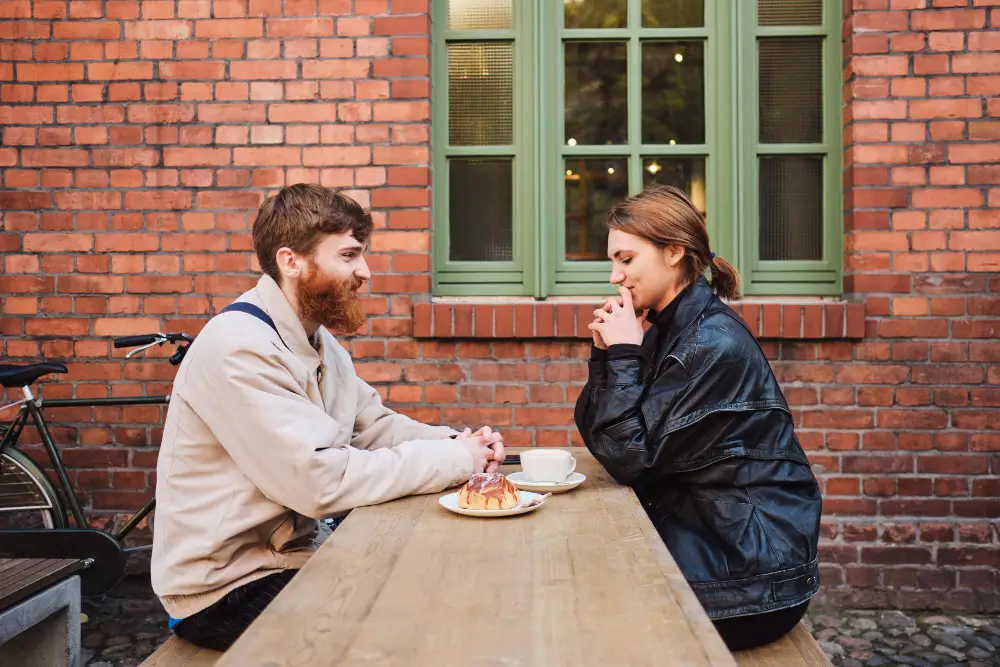
Finding a partner later in life often looks very different from dating during early adulthood. Many people over 40 or 50 no longer rely on highly social environments, spontaneous nightlife, or large friend groups to meet potential partners. Instead, relationships frequently develop through everyday routines, shared interests, professional circles, community activities, and emotionally comfortable interaction. At this stage of life, dating usually becomes more intentional and emotionally selective. Adults often prioritize emotional stability, compatibility, communication quality, and lifestyle alignment over excitement alone. Previous relationship experience, personal responsibilities, family dynamics, and established routines naturally influence how and where new relationships develop.
Another important shift involves emotional expectations. Mature adults are often less interested in emotionally performative dating behavior and more focused on genuine compatibility and emotional reliability. Because of this, relationships frequently begin in environments where communication feels natural, emotionally safe, and connected to shared values or daily lifestyle.
Where Adults Meet Partners in Real Life
Understanding where adults meet partners in real life requires looking beyond traditional dating stereotypes. Many mature relationships no longer begin through spontaneous nightlife or highly social party environments. Instead, adults often meet through spaces connected to everyday routines, shared interests, and emotionally comfortable interaction. With age, emotional compatibility, lifestyle alignment, and communication quality usually become more important than impulsive attraction alone.
Professional and networking environments
Professional environments frequently become natural spaces for mature connection because adults spend significant time around people with similar routines, responsibilities, and communication styles. Networking events, business communities, conferences, and collaborative projects often create repeated interaction without immediate romantic pressure. These environments allow individuals to observe personality, emotional behavior, reliability, and conversational compatibility gradually over time. Emotional familiarity often develops more naturally when communication grows through regular interaction rather than highly performative dating situations.
Hobby groups and shared interest communities
Shared interest communities commonly create strong opportunities for relationship development later in life. Adults often feel more comfortable connecting in environments where conversation already has a natural foundation through mutual interests and activities.
People frequently meet partners through:
- book clubs
- art classes
- photography groups
- cooking workshops
- language courses
- hiking communities
- music events
- dance classes
Shared activities usually reduce awkwardness because communication develops around common experiences instead of forced romantic conversation. Emotional connection may therefore feel calmer and more authentic.
Fitness spaces and wellness activities
Fitness communities also play an important role in mature dating because they combine repeated interaction with shared lifestyle priorities. Gyms, yoga studios, walking groups, cycling clubs, and wellness retreats often create socially comfortable environments where adults communicate naturally over time. Lifestyle compatibility becomes increasingly important later in life. Shared attitudes toward health, routines, emotional balance, and personal habits frequently influence attraction more strongly than superficial chemistry alone. Repeated interaction in fitness environments often creates familiarity gradually, allowing trust and conversational comfort to develop naturally.
Travel groups and social experiences
Travel activities frequently create emotionally open social interaction because people tend to communicate more freely in relaxed environments outside daily routine. Group tours, cultural trips, cruises, and organized travel experiences often bring together adults with similar interests, curiosity, and lifestyle preferences. Travel also creates shared emotional experiences, which may strengthen the connection more quickly than ordinary interaction alone. Conversation usually feels more natural because people already participate in common activities and experiences together. Many mature adults also appreciate travel-based interaction because it removes some of the pressure commonly associated with traditional dating settings.
Online dating platforms and relationship websites
Online dating has become one of the most common ways adults meet partners later in life. Many mature individuals prefer digital communication because it allows more intentional relationship selection and greater emotional clarity before meeting in person. A secure relationship site may help adults connect through shared values, relationship goals, communication style, and lifestyle preferences rather than purely situational attraction. This often creates more emotionally compatible interaction from the beginning.
Online communication also allows adults to approach dating at a more comfortable pace. Emotional openness, communication consistency, and psychological compatibility often become more visible through ongoing conversation before emotional investment deepens. Ultimately, mature relationships frequently begin in environments that support calm communication, emotional safety, and gradual trust-building rather than emotionally rushed interaction or a highly performative dating culture.
Also worth reading: 160+ Thoughtful Questions for Stronger Connections
Meeting Partners Later in Life and Emotional Readiness
Meeting partners later in life is strongly influenced by emotional readiness and personal self-awareness. Mature adults often approach relationships differently because life experience changes emotional priorities, communication expectations, and relational boundaries.
Many individuals become more selective because they better understand emotional compatibility, personal needs, and relationship patterns from previous experiences. Emotional readiness frequently matters more than social opportunity itself because emotionally unavailable individuals may struggle to build stable connection even when meeting compatible people.
Several emotional factors commonly influence mature relationship development:
- emotional healing from past relationships
- clarity about personal values
- realistic relationship expectations
- emotional independence
- communication maturity
Experience often creates stronger awareness of unhealthy dynamics, emotional inconsistency, or incompatible long-term goals. This may slow relationship development initially, but it often leads to more emotionally stable partnerships later.
Adults frequently prioritize emotional peace and psychological comfort over emotionally intense but unstable attraction. Relationships therefore tend to develop more gradually and intentionally.

Dating Places for Adults Beyond Traditional Settings
Dating places for adults often extend beyond traditional romantic environments such as bars, clubs, or highly social nightlife spaces. Mature relationships frequently begin in calmer environments connected to shared lifestyle, personal interests, and everyday interaction.
Interest-based environments commonly create stronger opportunities for meaningful communication because conversation develops naturally around shared experiences or activities. This often reduces pressure and helps interaction feel more emotionally authentic.
Adults frequently meet through:
- educational courses
- travel groups
- fitness classes
- cultural events
- volunteer organizations
- hobby communities
- networking environments
- online dating platforms
These settings usually encourage repeated interaction and conversational comfort rather than an emotionally rushed connection. Shared activities also help individuals observe personality, communication style, and emotional behavior more naturally over time.
For many mature adults, emotional compatibility and lifestyle alignment become more attractive than purely spontaneous chemistry alone.
How Adults Find Love Through Shared Lifestyle
Understanding how adults find love later in life often begins with lifestyle compatibility rather than impulsive attraction alone. Mature relationships frequently develop between people who already share similar routines, emotional priorities, communication styles, and long-term expectations. As individuals grow older, emotional stability and everyday compatibility usually become more important than highly dramatic romantic experiences.
Shared lifestyle strengthens emotional connection because people naturally feel more comfortable with individuals whose daily rhythm fits their own. Similar attitudes toward work-life balance, social interaction, emotional communication, health, family priorities, and future planning often influence attraction more strongly in adulthood than spontaneous chemistry alone.
Several lifestyle factors commonly strengthen mature relationships:
- compatible routines
- similar emotional values
- shared long-term goals
- balanced communication styles
- mutual understanding of responsibilities
Adults often feel emotionally safer when relationships integrate naturally into existing life structure instead of creating constant instability or emotional unpredictability. Emotional compatibility therefore, becomes closely connected to practical compatibility and psychological comfort.
Many individuals also explore relationships through a Ukrainian women dating agency because intentional matchmaking often focuses on shared values, relationship expectations, emotional maturity, and compatible lifestyle priorities rather than purely surface-level attraction.
Relationship meeting spots shaped by maturity
Relationship meeting spots later in life are often shaped by emotional maturity and the desire for psychologically comfortable interaction. Many adults prefer environments where communication develops naturally without excessive pressure, emotional performance, or socially competitive dating dynamics.
Unlike younger dating culture, mature adults frequently choose calmer environments that encourage authentic conversation and gradual emotional openness. Comfortable social spaces often reduce anxiety because interaction feels emotionally grounded rather than performative.
Adults commonly meet potential partners through:
- community activities
- cultural events
- educational programs
- wellness environments
- volunteer organizations
- travel groups
- hobby communities
These settings usually create more emotionally balanced communication because interaction develops through shared interests and repeated contact instead of immediate romantic expectation. Comfort and emotional safety also become increasingly important later in life. Many adults intentionally avoid emotionally chaotic dating environments and instead seek spaces where communication feels stable, respectful, and emotionally relaxed.
Dating Culture Adults Follow Consciously
Dating culture adults follow later in life is usually influenced by emotional experience, self-awareness, and clearer relationship priorities. Mature individuals often approach dating more consciously because previous experiences improve their understanding of compatibility, communication patterns, and emotional boundaries.
Many adults become less interested in emotionally ambiguous interaction, mixed signals, or highly performative dating behavior. Instead, emotional honesty, consistency, and direct communication often become significantly more attractive because they reduce uncertainty and emotional stress.
Several relationship expectations commonly change with maturity:
- preference for emotional transparency
- stronger communication boundaries
- reduced tolerance for emotional games
- focus on emotional reliability
- interest in long-term compatibility
Adults frequently value emotional peace more than emotionally intense but unstable attraction. Relationships, therefore, tend to develop more gradually, intentionally, and realistically.
This shift does not reduce emotional depth or romantic connection. Instead, attraction often becomes connected more heavily to trust, emotional security, psychological comfort, and compatibility within everyday life rather than emotional unpredictability alone.
Meeting Partners Explained Through Life Experience
Meeting partners explained through life experience becomes easier to understand when emotional maturity is viewed as a relationship advantage rather than a limitation. Adults often build stronger and more sustainable relationships later in life because personal experience improves emotional awareness, communication quality, and understanding of compatibility. Previous relationships frequently help individuals recognize unhealthy dynamics, emotional inconsistency, unrealistic expectations, and incompatible values more quickly. As a result, mature adults often become more selective, but also more emotionally intentional and psychologically grounded.
Life experience also changes how attraction develops. Emotional safety, conversational ease, shared values, reliability, and psychological stability usually become more important than superficial excitement or social validation. Relationships, therefore, tend to grow through emotional consistency and mutual understanding rather than impulsive emotional intensity alone. Many mature relationships develop through repeated interaction, shared lifestyle patterns, emotional attentiveness, and realistic expectations. This often creates a connection that feels calmer externally but emotionally stronger and more stable over time. Ultimately, meeting partners later in life is less connected to idealized romantic scenarios and more connected to finding an emotionally compatible connection that naturally fits personal values, emotional priorities, communication style, and everyday life structure.
FAQ
Where do adults find relationships?
Adults often find relationships through everyday environments connected to shared lifestyle and repeated interaction. Many mature relationships begin through work communities, hobby groups, fitness activities, travel experiences, volunteer projects, mutual friends, and online dating platforms. Later in life, emotional compatibility, communication quality, and shared values usually become more important than spontaneous attraction alone. Because of this, adults often prefer calmer social environments where conversation can develop naturally without pressure or emotional games. Online relationship platforms have also become one of the most common ways adults meet compatible partners because they allow more intentional communication and value-based matching.
What is a good site to meet people?
A good site to meet people usually depends on relationship goals, communication preferences, and desired level of emotional seriousness. Many adults prefer relationship-focused platforms that prioritize profile quality, communication safety, and compatibility rather than casual swiping alone. Secure dating websites with active moderation, detailed profiles, and clear relationship intentions often create more comfortable interaction and stronger long-term matching opportunities. Platforms focused on shared values and meaningful communication generally attract people seeking emotionally stable and serious relationships.
Your best relationship is still ahead of you. Whether you’re looking for a companion or a deep, lasting partnership, you deserve to connect with someone who understands where you are in life. Discover popular European dating sites designed specifically for mature adults who prioritize genuine, quality connections.